
Introduction
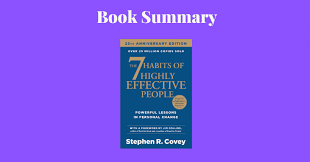
The 7 Habits of Highly Effective People is one of the most influential self-development books ever written. It was written by Stephen R. Covey and focuses on building strong habits that help individuals achieve success in both personal and professional life.
The book explains that real success comes from developing good character and strong principles. Instead of quick success strategies, the author teaches long-term habits that can improve productivity, relationships, and personal growth.
The central idea of the book is that effective people follow certain habits that guide their actions and decisions.
Habit 1: Be Proactive
The first habit teaches people to take responsibility for their own lives. Proactive individuals focus on things they can control rather than blaming circumstances or other people.
Instead of reacting emotionally to problems, proactive people think carefully and choose their responses. They focus their energy on solving problems rather than complaining about them.
This habit encourages individuals to develop self-discipline and take control of their actions.
Habit 2: Begin with the End in Mind
The second habit emphasizes the importance of having a clear vision for the future. People should know what they want to achieve in life and plan their actions accordingly.
The book suggests imagining your long-term goals and values before making daily decisions. When people know their purpose, it becomes easier to stay focused and motivated.
Having clear goals helps individuals prioritize the most important tasks in life.
Habit 3: Put First Things First
This habit focuses on time management and prioritization. Many people spend their time on urgent but unimportant activities, which prevents them from achieving meaningful goals.
Effective people focus on tasks that are important for long-term success, such as learning new skills, building relationships, and improving health.
By organizing priorities properly, individuals can increase productivity and reduce stress.
Habit 4: Think Win-Win
The fourth habit teaches the importance of creating solutions where everyone benefits. Instead of competing with others or trying to win at someone else’s expense, effective people look for mutually beneficial outcomes.
This mindset improves relationships, teamwork, and trust. When people aim for win-win solutions, they build stronger partnerships and long-term success.
Habit 5: Seek First to Understand, Then to Be Understood
Communication plays a major role in personal and professional success. This habit encourages people to listen carefully before expressing their own opinions.
Many conflicts occur because individuals focus only on explaining their own point of view instead of understanding others. Effective listening improves communication and helps build stronger relationships.
When people feel understood, they become more open to cooperation and collaboration.
Habit 6: Synergize
Synergy means working together to achieve better results than individuals could achieve alone. The book explains that teamwork and collaboration can create innovative solutions.
When people combine different ideas, experiences, and perspectives, they can solve problems more effectively.
Synergy encourages respect for diversity and appreciation of different viewpoints.
Habit 7: Sharpen the Saw
The final habit focuses on continuous self-improvement. Just like a saw becomes dull after long use, people also need regular renewal in order to stay effective.
The author explains four important areas for self-renewal:
- Physical health
- Mental development
- Emotional balance
- Spiritual growth
Taking time to improve these areas helps maintain long-term productivity and well-being.
Key Lessons from the Book
The book offers several powerful lessons for personal development:
- Take responsibility for your own life and decisions.
- Create a clear vision for your future.
- Focus on important priorities rather than distractions.
- Build relationships based on mutual benefit.
- Improve communication by listening carefully.
- Work with others to achieve greater results.
- Invest in continuous personal growth.
These habits help individuals develop strong character and long-term success.
Conclusion
The 7 Habits of Highly Effective People provides a powerful framework for personal and professional growth. Instead of focusing on short-term success, the book encourages readers to develop habits that create lasting improvement.
By practicing the seven habits consistently, individuals can improve their productivity, relationships, and overall quality of life.
The main message of the book is simple: true success comes from strong habits, clear values, and continuous self-improvement.